Mattancherry Palace

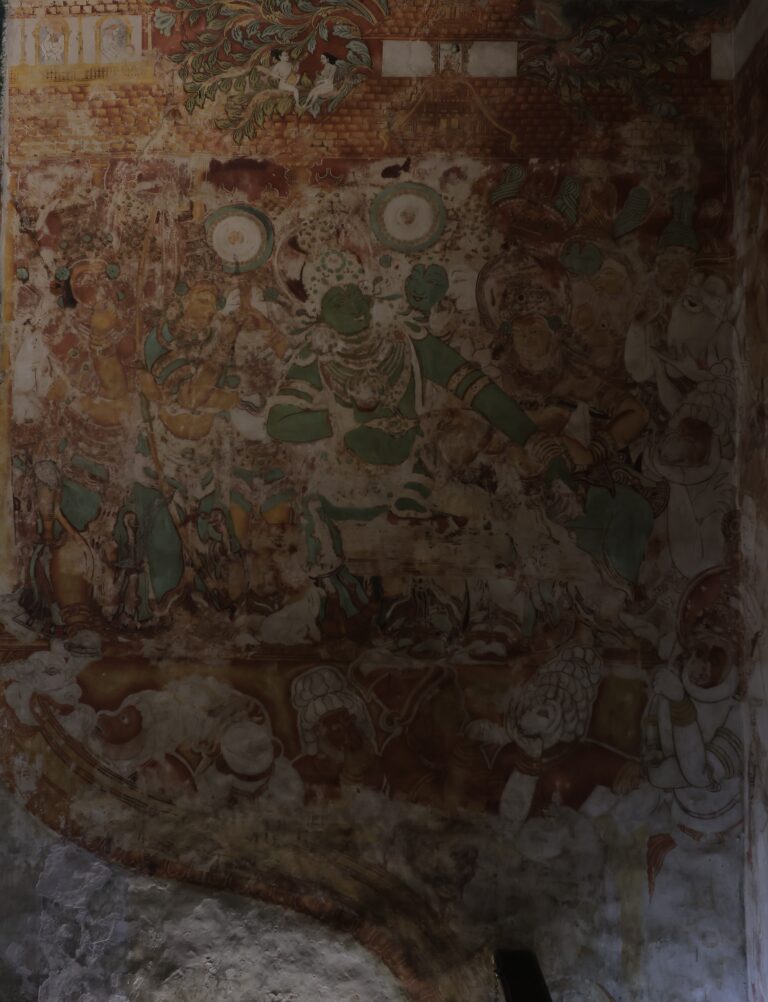
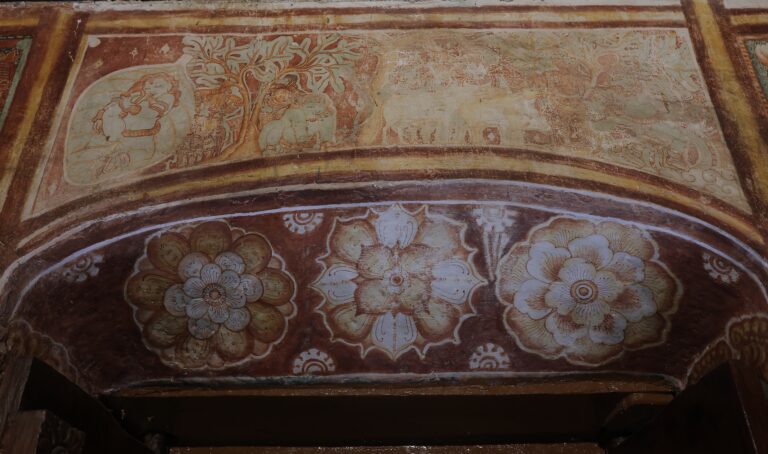
As one ascends the steps leading to the palace interiors, right beside the entrance to the museum lies the famous Ramayana Gallery. The wooden panels of the ceiling against the saffron red accents of the murals covering all the walls truly make the sight mesmerising.
Built in 1555 by the Portuguese and gifted to the ruler of Cochin Veera Kerala Varma, the building is a unique blend of Portuguese and South Indian architecture. In 1665, the Dutch renovated it further and commissioned the composition of murals that remain to this day. The involvement of the Dutch led to the palace being called the Dutch Palace. Sasibhooshan, in his work Keralathile Chuvarchithrangal, notes that the famed artist Amritha Sher-Gil visited the palace and upon viewing the murals commented that it is unbelievably beautiful.
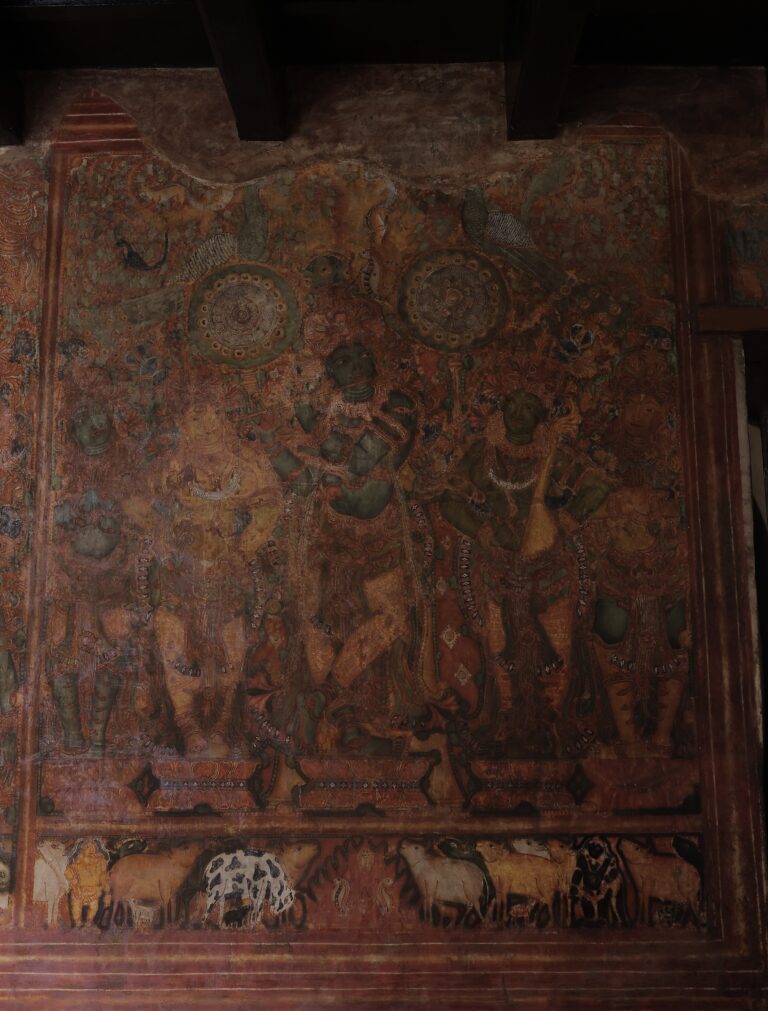
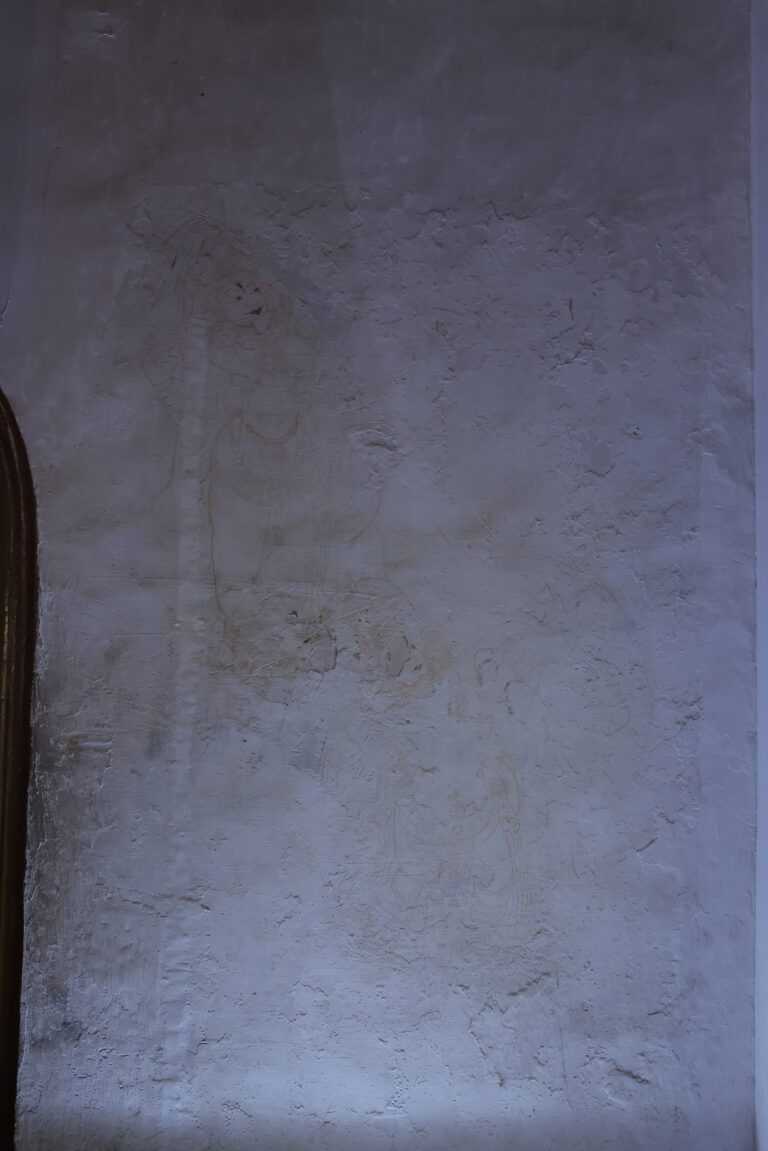
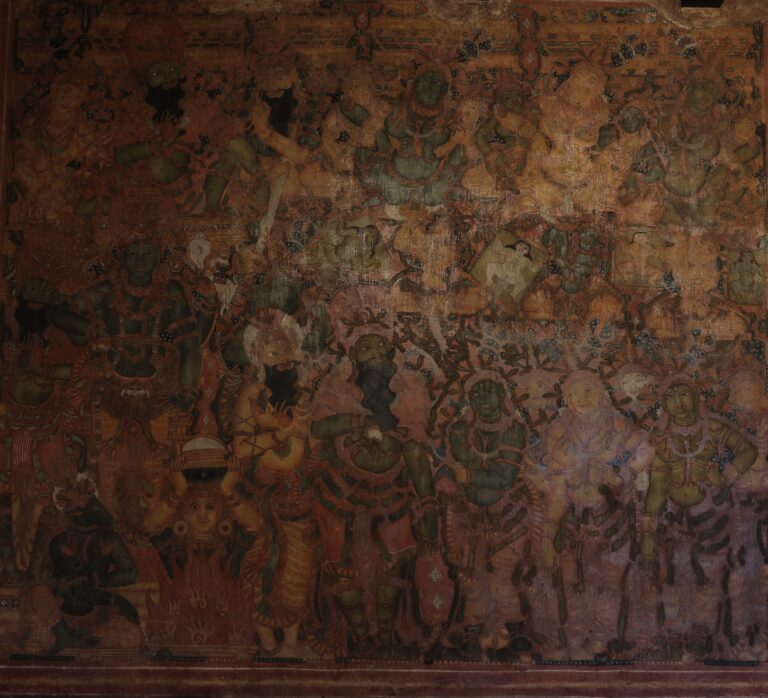
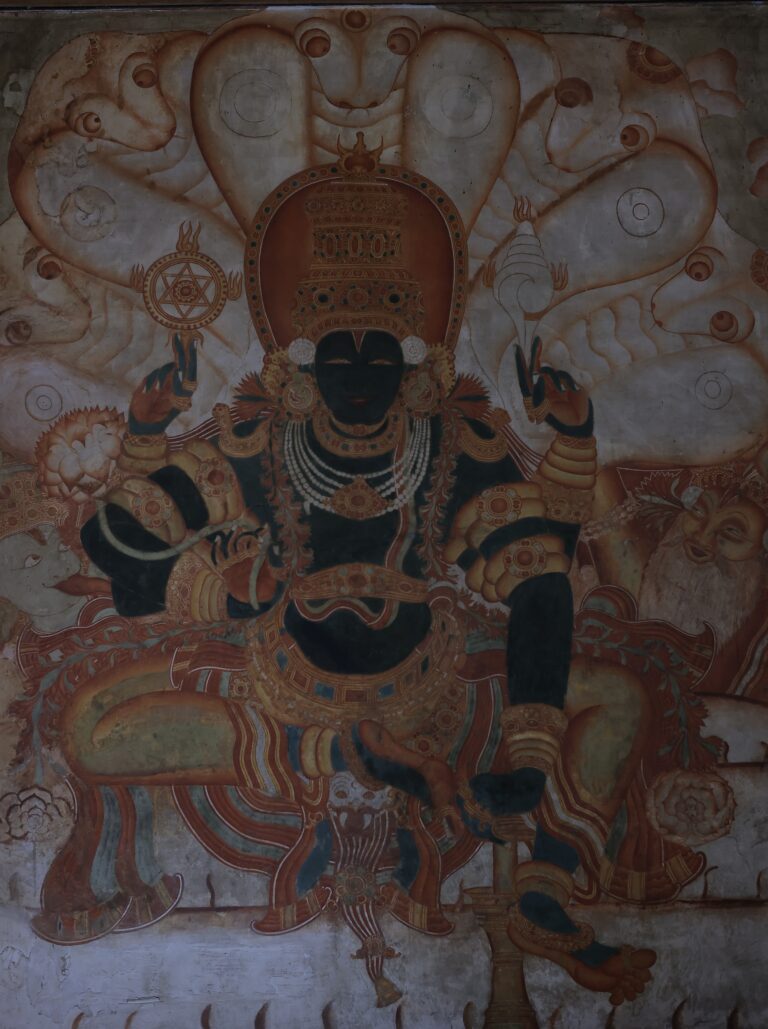
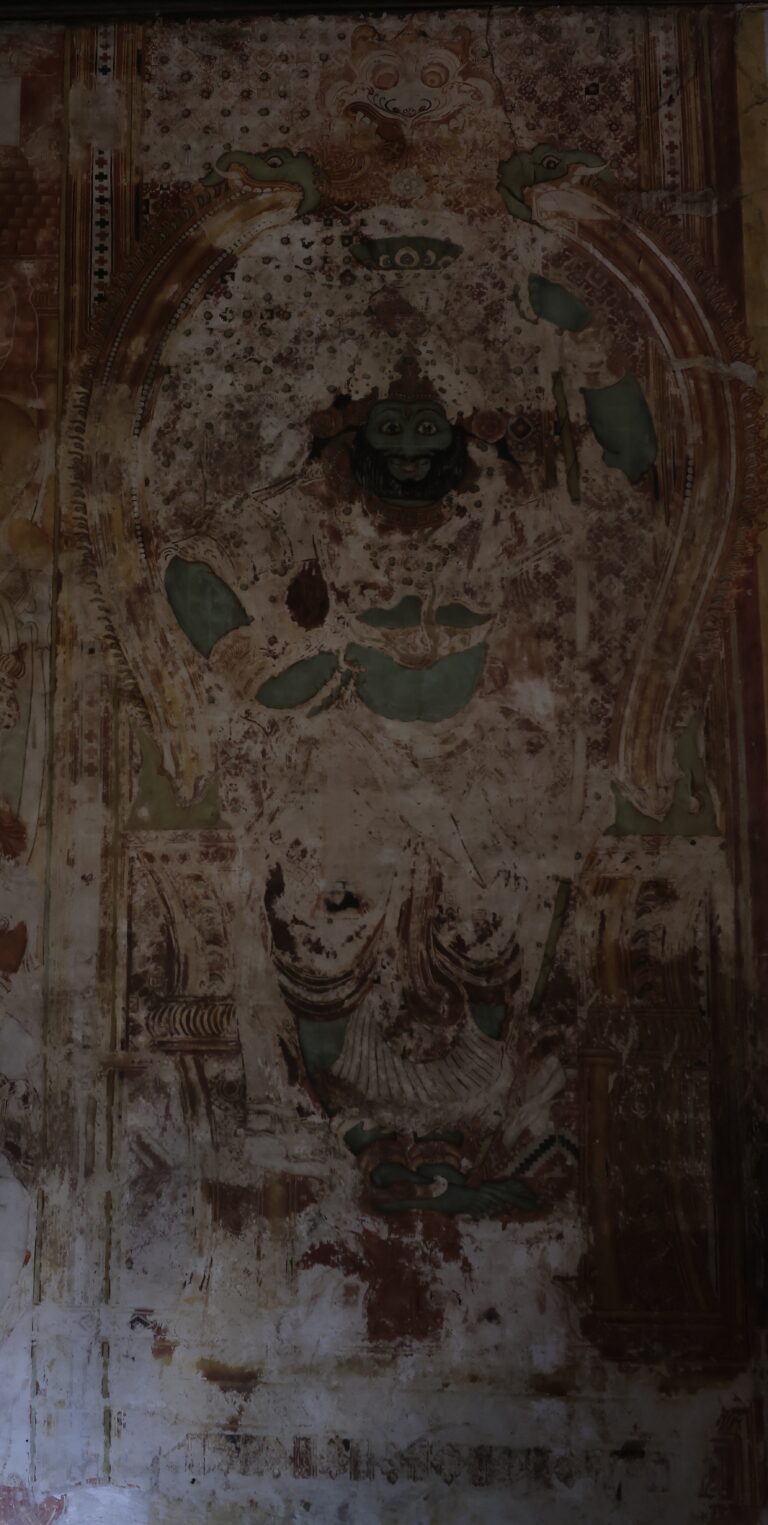
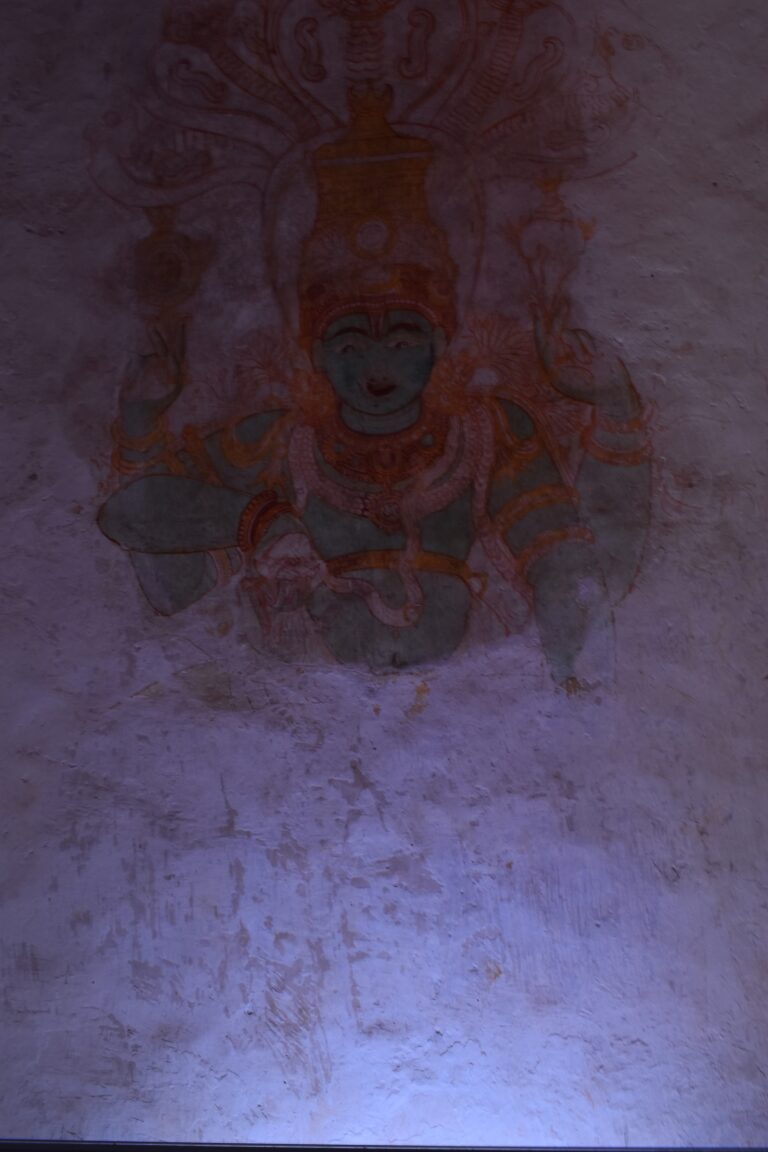
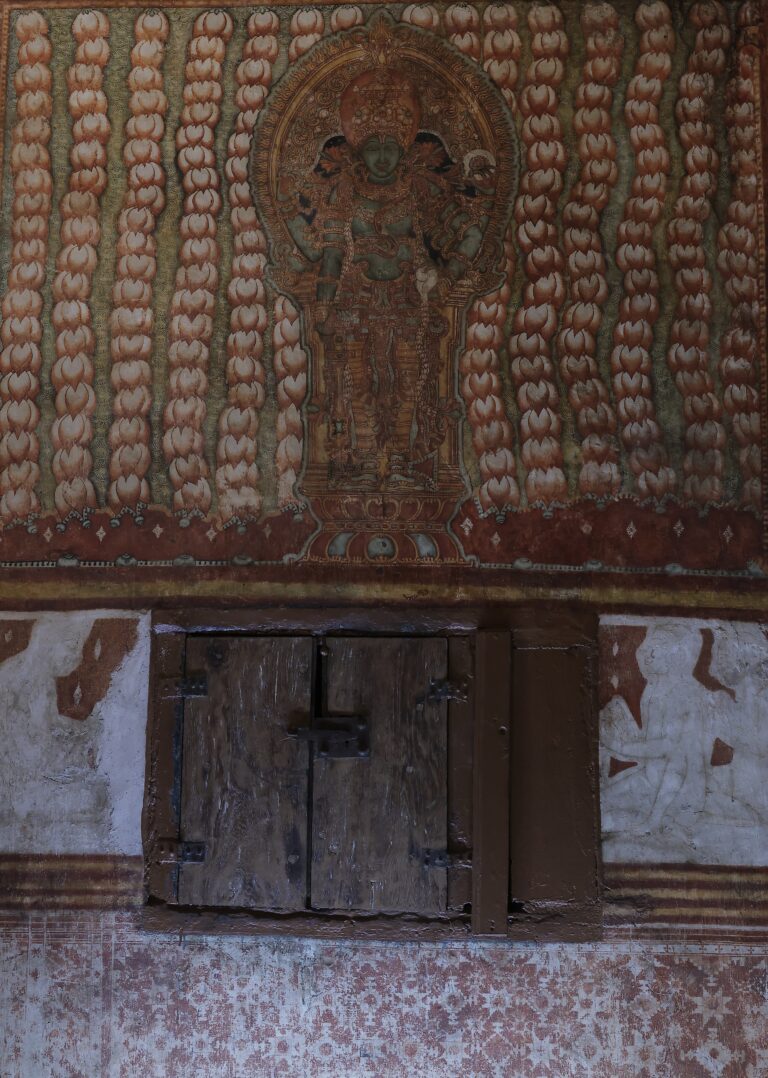
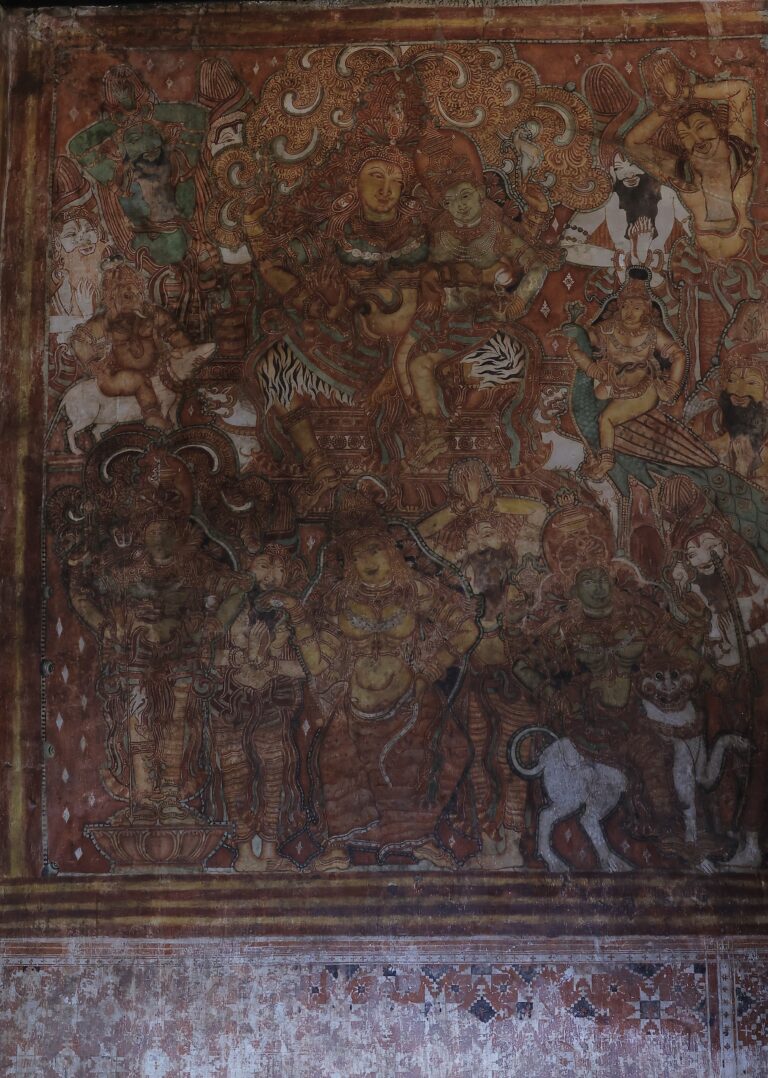
Though known for the Ramayana panel in the King's bed chamber, there are several other depictions too that has inspired the artists who followed in on the tradition. These include the Poornathrayeesha image, Shakthipanchakshari, Sreerama pattabhishekam, Ananthashayanam and other murals in the staircase room. In the basement, where the Queen's quarters are located, the images are laced with sringara rasa. These include prominently the panels depicting the union of Shiva and Mohini, and Ashtabuja Venugopala flanked by Gopikas. There are a series of unfinished sketches, narrating the tale of Parvathi's wedding to Shiva as well as that of Tipu Sultan. The image of Tipu Sultan, though just an outline, suggests how much the artists were influenced by contemporary events of the time. The Ramayana panel, covering the story of Rama's birth till his coronation, is truly a marvel to look at.